


India is having a moment. Not its first, but certainly, its most important.
There have been many moments before. Moments validated by Western runways, celebrated by international press as aesthetically appropriate export, framed through the lens of what India could offer a global aesthetic. The whole east meets west era in storytelling is over.
This one is different. It isn’t dressed for export.
The depiction of Indian fashion today from its homegrown brands is raw, self-aware of its own credentials, designing for itself first.
As this version of Indian fashion gets more visibility on the global stage, so does the backlash against cultural appropriation and a lack of giving credit where it’s due. Although, I will say, I’m not a big fan of the word “mainstream” — it implies a kind of power I’d rather not give to any particular stream of thought.
The last 12 months have been those of many firsts. First off, Shah Rukh Khan made his MET Gala debut in a bespoke Sabyasachi, Caratlane made it debut at Fashion Week, Bhavitha Mandava became the face of Chanel, Karthik Research is making all the rounds in Paris and New York. There’s a lot of India, everywhere.
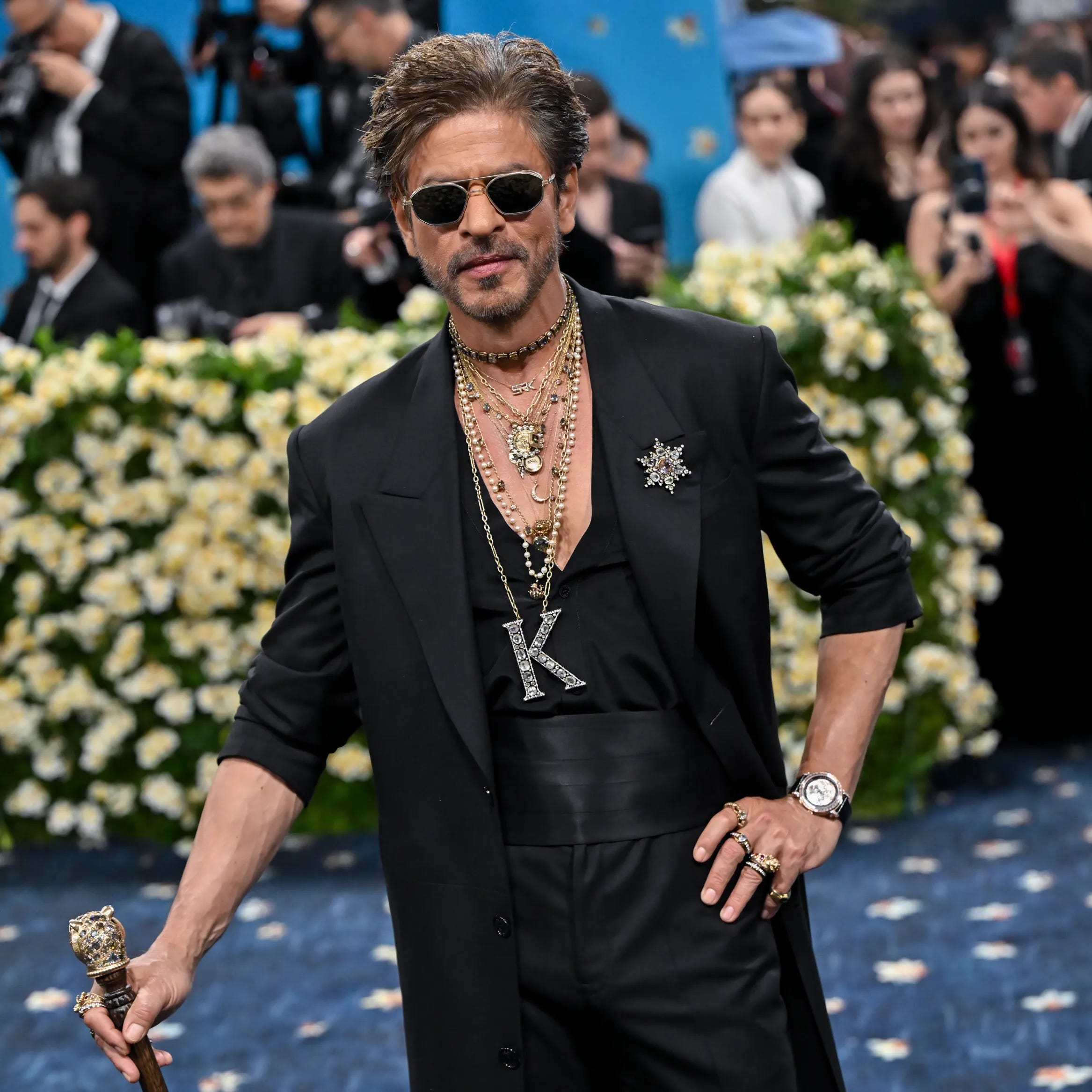
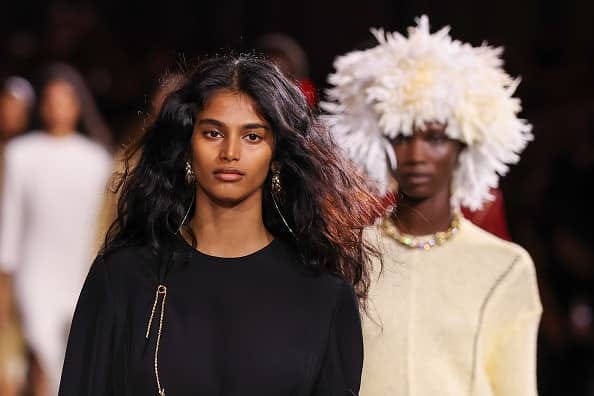
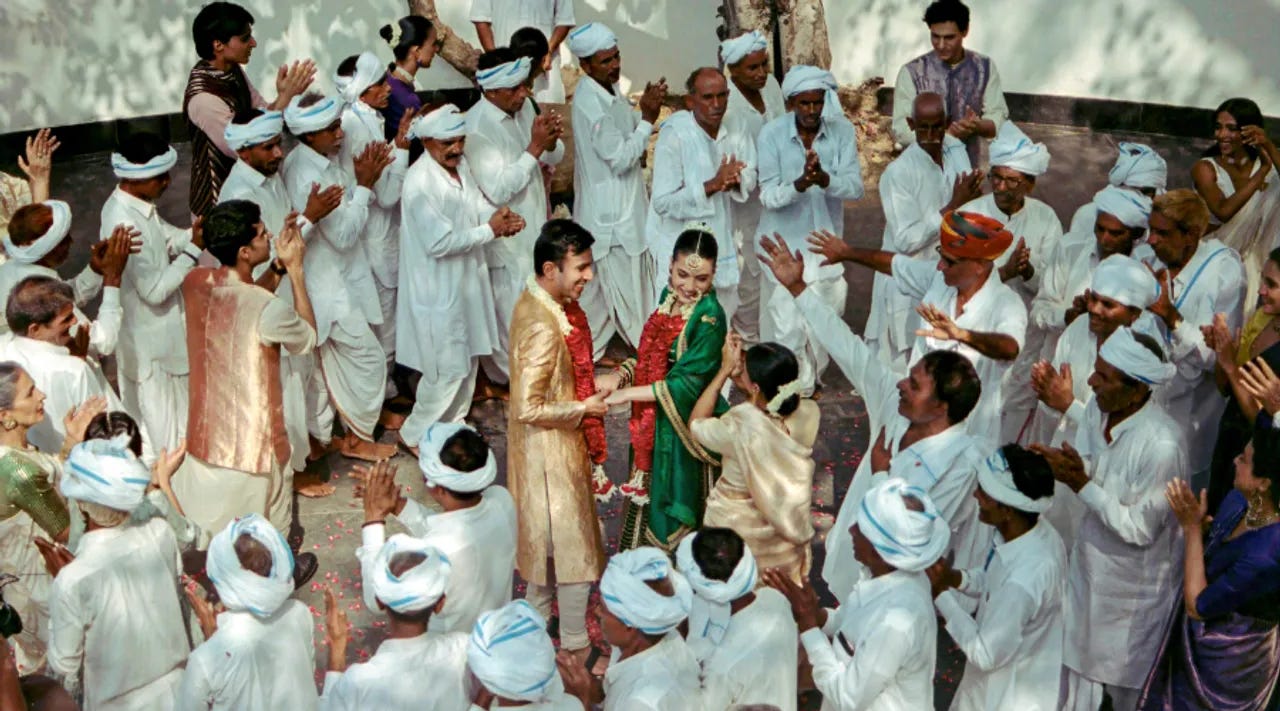
India has always been at the heart of spectacular craftsmanship and beauty, however, the last few decades were spent back-staging that talent. Indian crafts have dressed global stages, kings and queens across the world, and the most storied luxury houses in history.
What has changed? Why India is now stepping into the global centre stage is a socio-economic question, much of which I've explored in today’s newsletter.
The answer is two things: storytelling, and an Indian consumer with money in their pocket and no one to impress but themselves.
Fashion here has always been a proxy for more existential questions: belonging, sovereignty, nostalgia. To tell that story from its roots, by the people of the culture, and for the people of the culture, that is the work now being done.
India’s growing domestic market means Indians are now spending on fashion designed for themselves, not for an audience in the Middle East, or an offshore market in Europe or America. This rebuilding of fashion storytelling, for Indians, by Indians, during the hyper-real internet era is the shift that changes everything.
The 2010s: The artisan enters the frame
Social media fundamentally rewired who got to tell the story — and how.
“Fashion is a form of expression and storytelling… The biggest star of fashion in the last two decades has been social media. It has changed everything, created new icons, shaken the foundation of old establishments and pushed fashion from being ‘exclusive’ towards becoming ‘inclusive’.” — Ciceroni
Provenance, process, and maker identity became part of the product itself in the 2010s, propelled by social media. This is the era that saw Raw Mango, founded in 2008, become a reference point — refusing fast fashion cycles and insisting that the making of a textile was as important as the wearing of it. The brand’s storytelling centred weavers, not models.
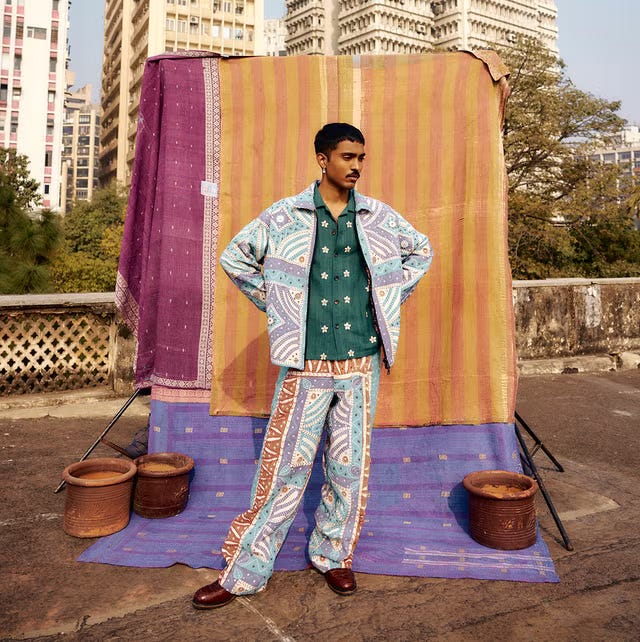
Meanwhile, indie labels began carving out distinct narrative spaces. Nor Black Nor White fused Indian kitsch with sportswear, quietly redefining what a global fashion label shaped by Indian craftsmanship could look like.
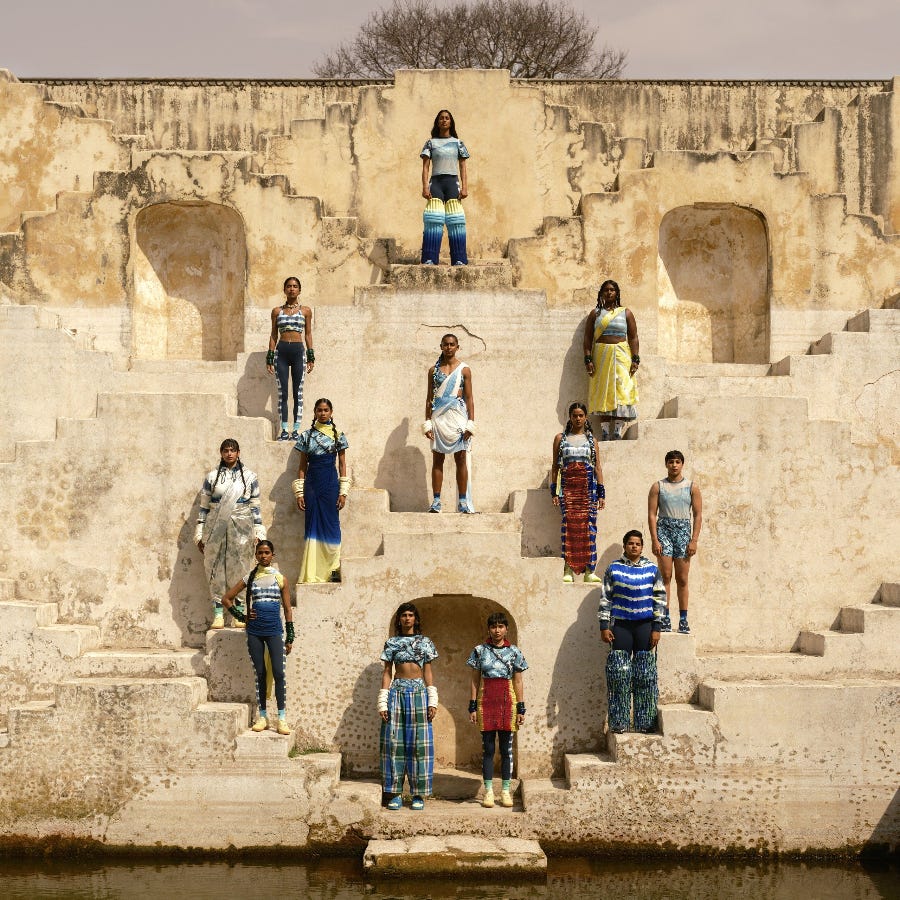
The 2020s: World-building and heritage as authority
Brands today are going beyond a singular vision to immerse consumers in a tactile, layered world. In India, Sabyasachi is the obvious early case study — the label’s stores feel closer to plushly curated living spaces than conventional retail. The brand story now lives in architecture, fragrance, and hospitality, not just thread.
My favourite example is from Shift.
Designer Nimish Shah relaunched his clothing with an artist residency, held in a fabric manufacturing unit in the village of Ranasan, Gujarat. Artists from outside fashion were invited to respond to screenprinting, to each other, to the landscape. No clothes. No call to action. Shah is candid about the economics: there are none.
"Creative direction is no longer confined to a silhouette or a show; it's about crafting a sense of belonging. It's not about products anymore but about presence. The future of creative direction lies in building worlds, not wardrobes.” Shruti Sitara Singh
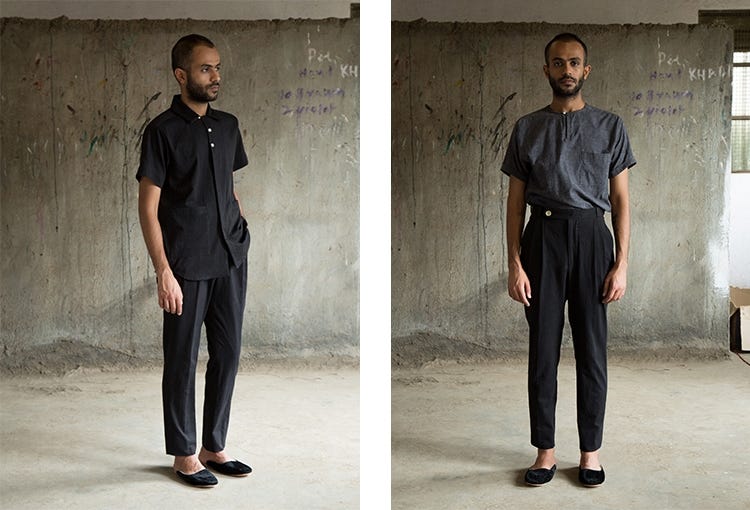
India is the reference point now. What brands are trying to say: you're welcome to the party, but we're not rearranging the furniture for you.
Further reading:
Reviving Heritage: The Brand Culture of Indian Wear in Contemporary India
The Established: The rise of worldbuilding among Indian fashion brands
Reviving Heritage: The Brand Culture of Indian Wear in Contemporary India
So well said!