


Books are the OG slow media. They need commitment, and reward delayed gratification. They resist speed and demand attention. In that resistance lies their power.
In many ways, it really feels like that’s what the world needs right now: a good book, a nice cuppa, and switching off from the world of algorithms and the insanity called the “news”.
Can it be then that the book is truly back? We think so.
Spotify just announced it's selling physical books.
Not ebooks, but the real kind: actual paper, cardboard, ink. This spring, users in the U.S. and UK will click through from an audiobook to purchase its physical counterpart via Bookshop.org, bridging what the company calls "discovery" and "ownership." They've even built Page Match, a feature that scans your paperback and jumps you to the exact spot in the audiobook.
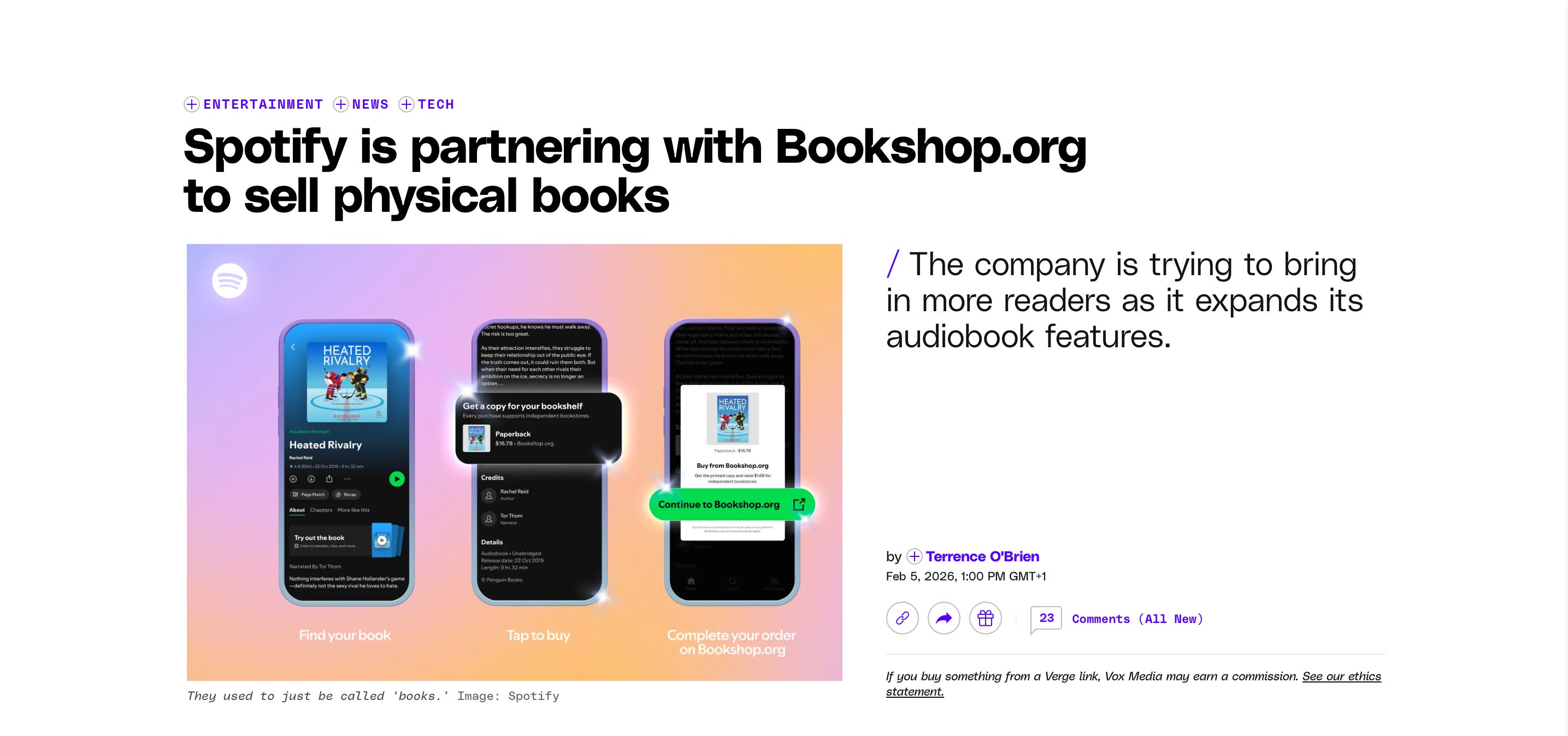
Spotify’s move into physical books isn’t about revenue. It’s about becoming indispensable to how people discover and collect culture.
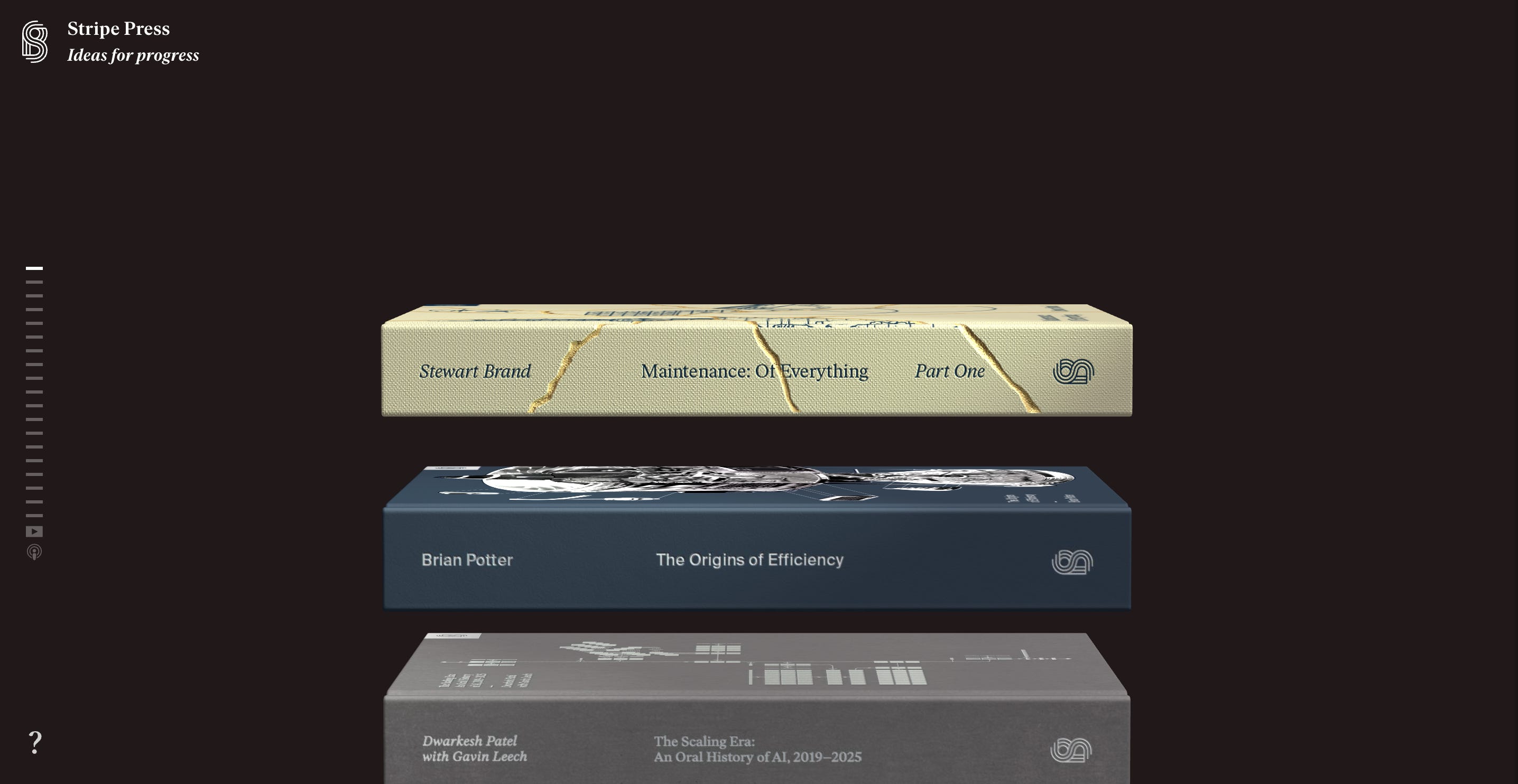
Stripe, a payments infrastructure company, runs Stripe Press, a publishing house focused on technological and economic advancement. We tested, this is not a marketing gimmick. It is a sustained, multi-year curatorial project featuring meticulously designed covers and reprints of forgotten classics.
Margot Robbie's Wuthering Heights press tour has spawned a "literary girl" aesthetic, and brands from coffee shops to wellness companies are launching book clubs.
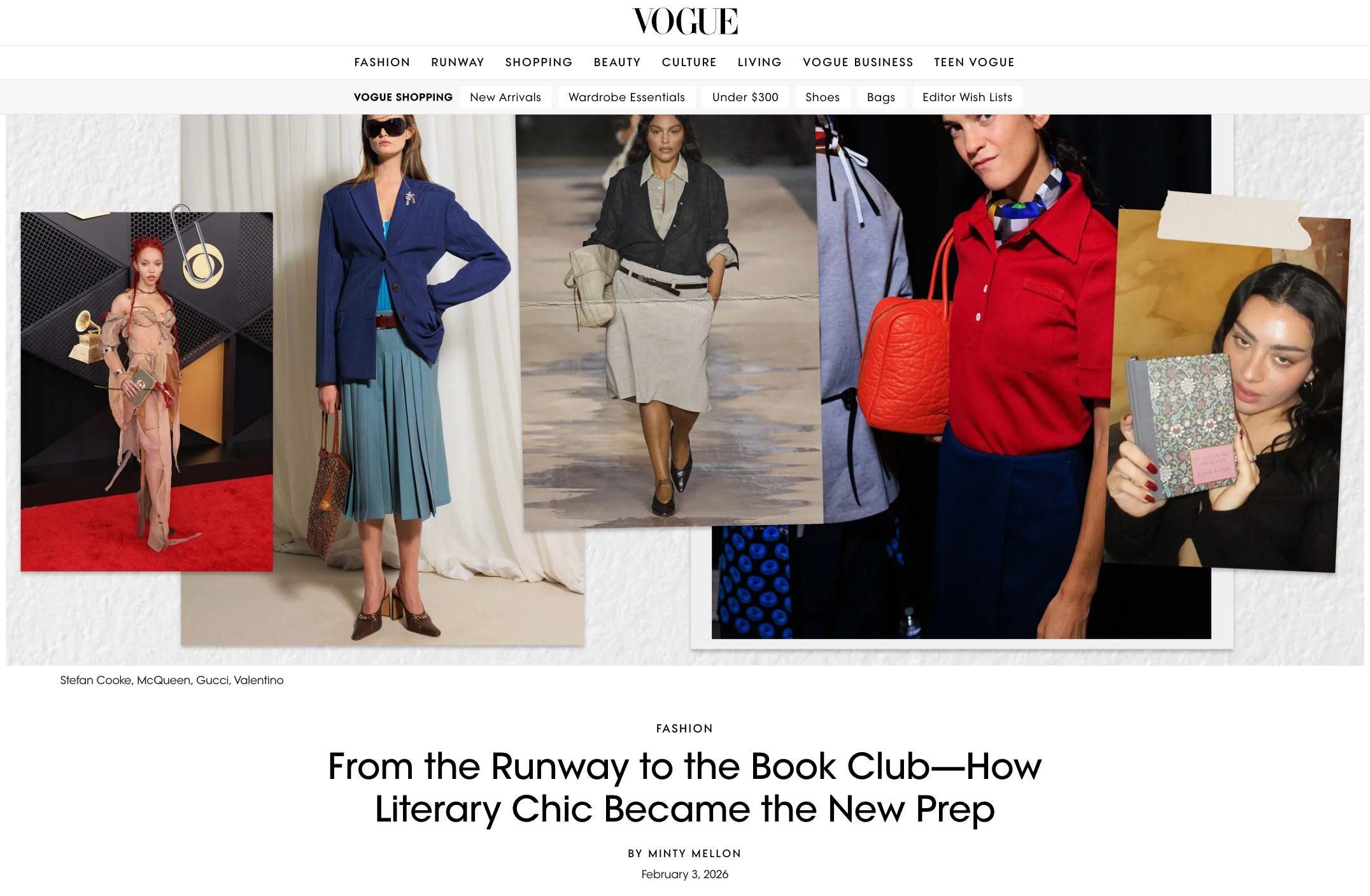
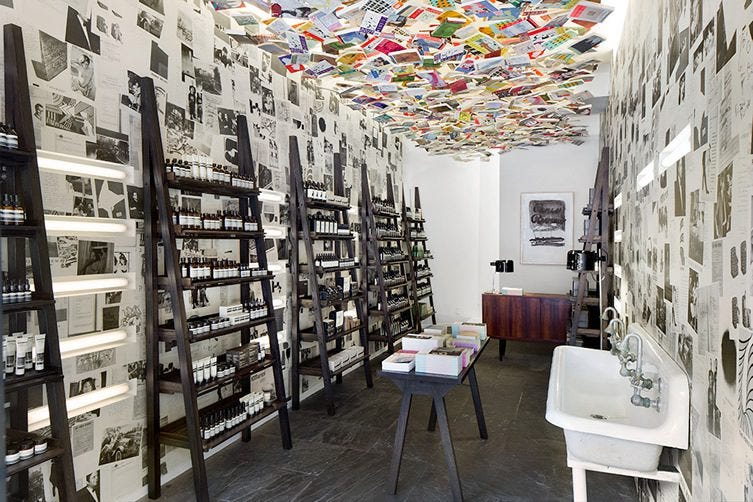
For brands, books create what algorithms can’t: curation as connection. These clubs are exploding because they transform companies from product-pushers to cultural curators. MUD\WTR launched with “Atomic Habits.” Aesop already sponsors The Paris Review. Miu Miu launched its "Writing Life" Literary Club during Milan Design Week 2024, transforming the Circolo Filologico into a literary salon. Warby Parker stocks indie publishers in-store. London cafés charge £85 for book club dinners with authors.
So why is this happening?
The reasons are economic as much as cultural.
After years of inflation and "greedflation" in luxury, meaning "the idea that you've gone too far, too high, too quickly", over 50 million shoppers left the market. What remained were customers demanding substance over hype. Books deliver that. They're analog in a deepfake world and carry cultural capital that outlasts any trend cycle.
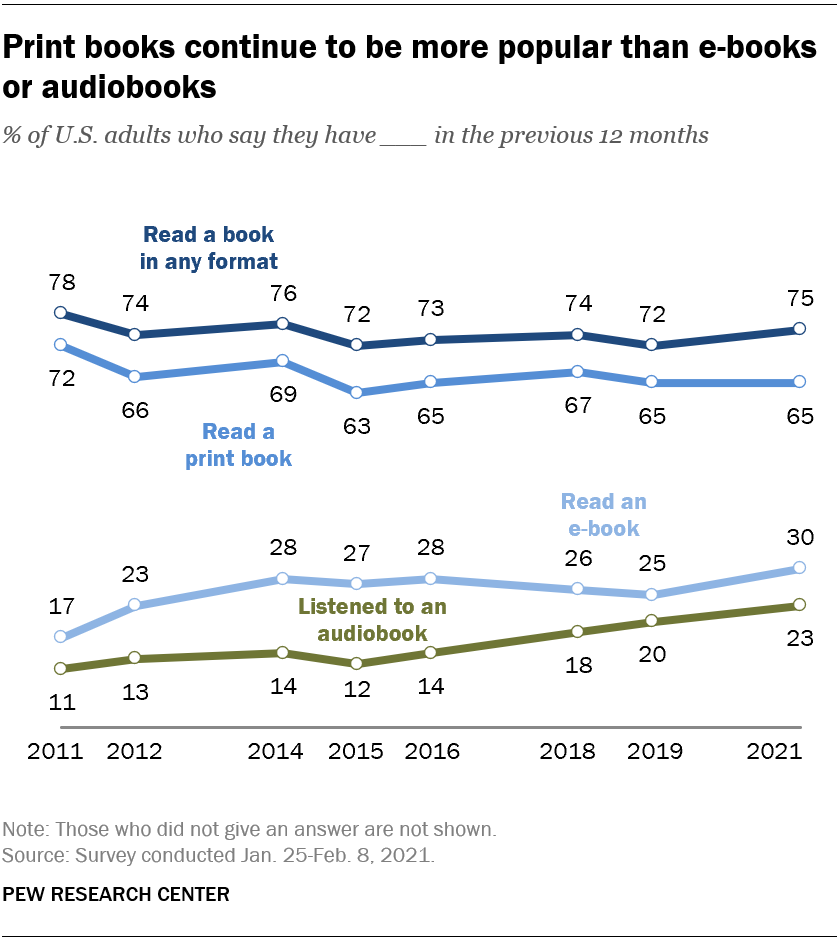
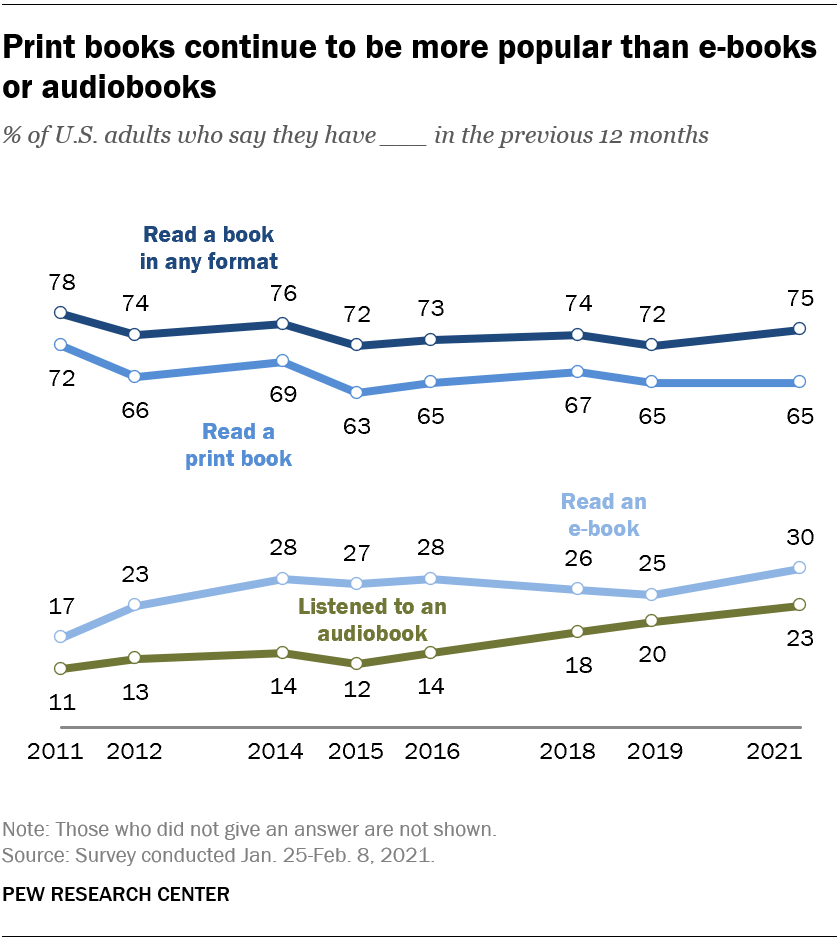
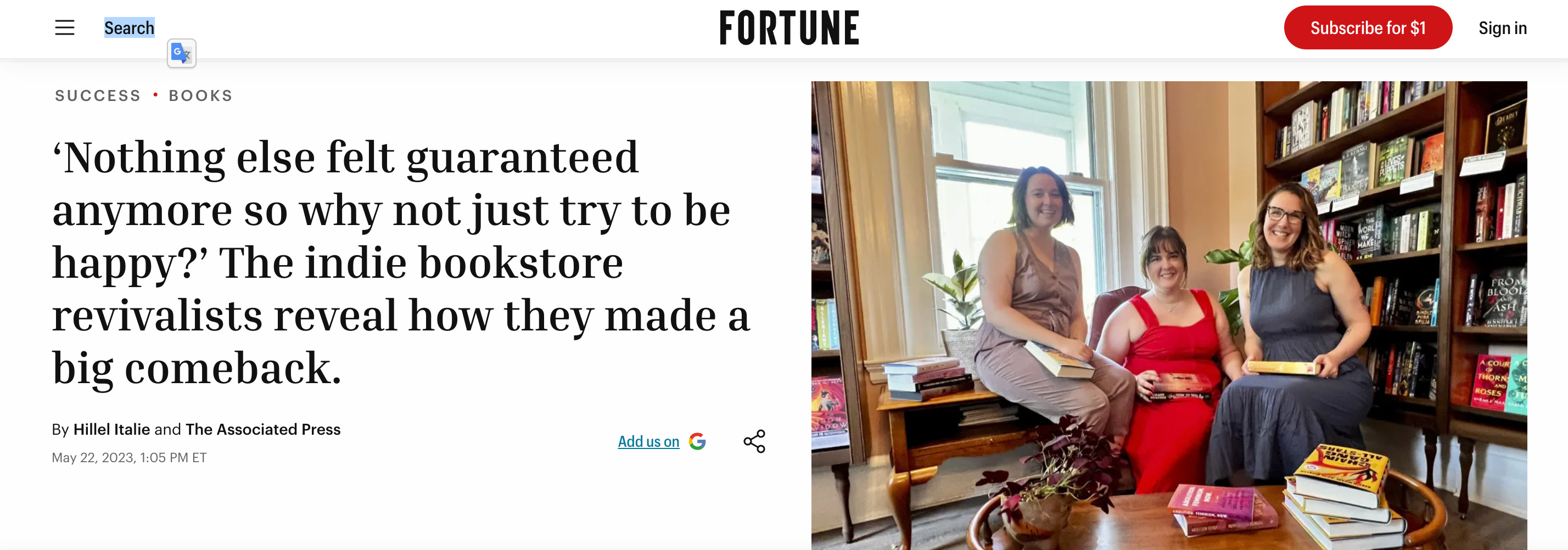
Physical books now represent 73% of trade publishing revenue. Gen Z prefers print over e-readers. Independent bookstores hit their highest membership numbers in 20+ years. Reading has become both self-care ritual and social currency. A curated bookshelf signals taste in ways algorithm-driven content never quite does.
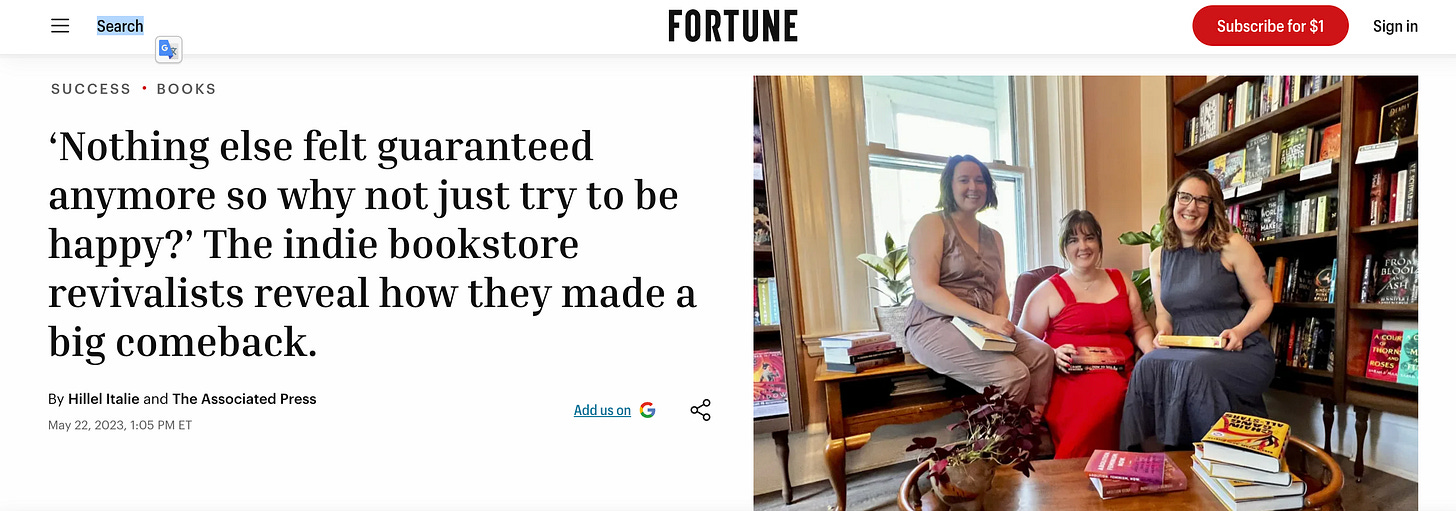
The literary resurgence is happening precisely when fashion faces crisis, streaming platforms saturate, and AI-generated content floods feeds. For over a decade, we were told the future was frictionless: streaming, scrolling, algorithmically served. For many of us, books became interchangeable with podcasts or Netflix. But friction, it turns out, has value. Attending a book club demands presence. Buying a physical copy when you could stream it suggests the object matters, not despite the content, but because of it.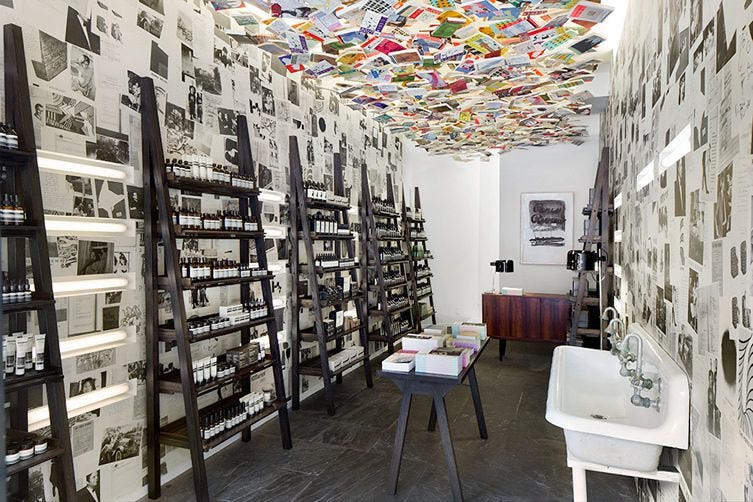
Aesop’s Chelsea Store covered in The Paris Review
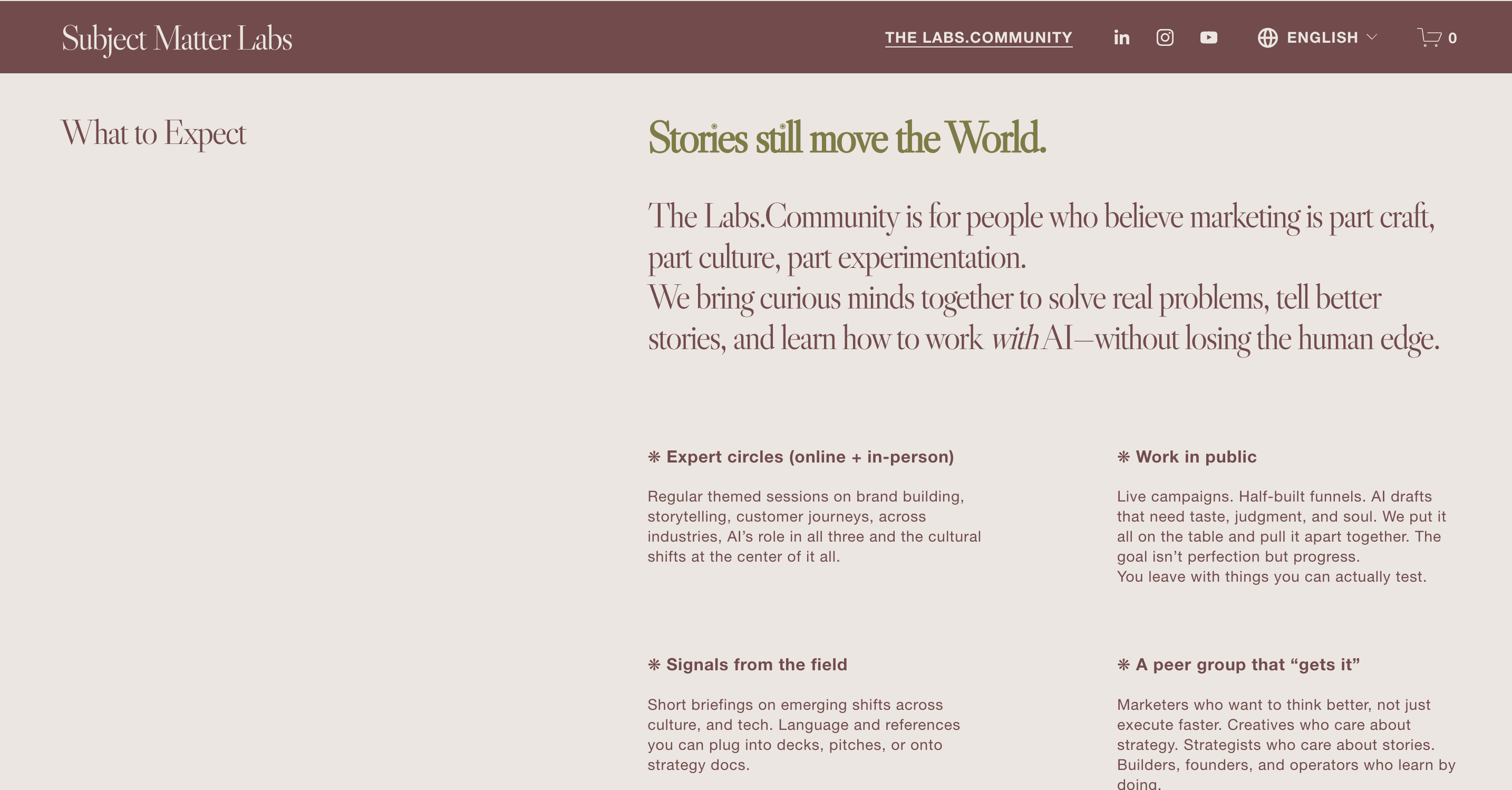
This is not very far from what we are trying to do here at Subject Matter: throwing light on indigenous ways of production, preserving unwritten cultural language using tradition as competitive advantage, provenance and craft over mass production. Not to mention, our own community in Paris is slowly taking shape. Do have a looking and share it with a friend?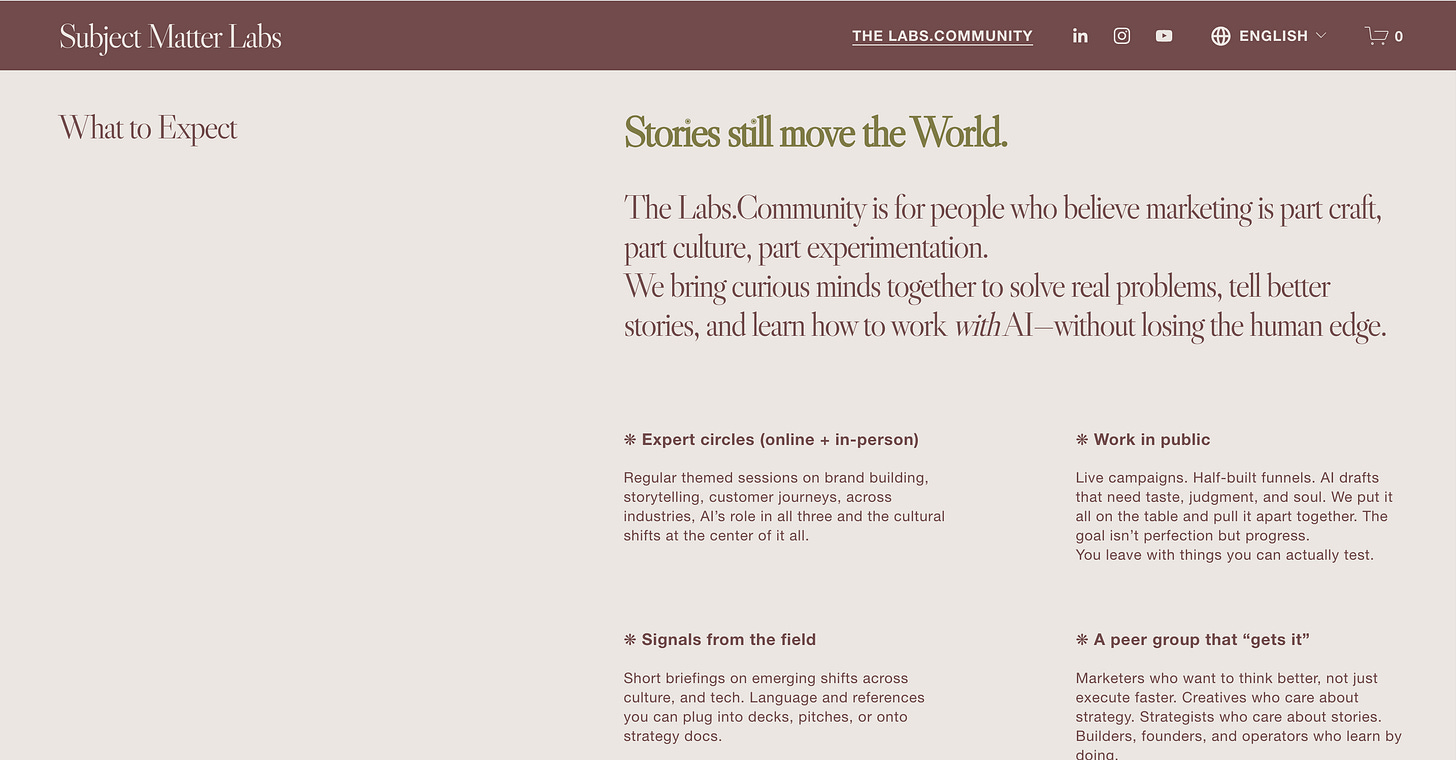
Homepage of our upcoming community: The Labs Culture is commerce again. Some things gain value by taking up space. On shelves. In hands. In conversations that happen face-to-face.
On that note, we would love to know what you are reading right now? Drop a line in the comments!
La vie sans fard - Maryse Condé. Her autobiography. Ironically, this is my bookclubs book of the month 🤪