


I started my career as a B2C marketer before I strategically pivoted, as per my CV, to the B2B world. I’ve sold jewelry, womenswear prêt-à-porter line, a fintech SaaS product, a social media subscription—among a wide variety of products across different geographies. Many people assume these are completely different ball games, and while enterprise sales might have different levers than persuading someone to buy a candle and different vibes (you probably know what I mean), I find some core marketing work remains deeply aligned.
The democratisation of baseline skills through AI have blurred traditional boundaries and has seen the rise of the full‑stack marketer. Whether you’re talking to a procurement committee or a consumer at a market stall, the heart of persuasion remains the same: trust, storytelling, and brand.
Twelve years on, I’m still learning, so the following reflection comes from deep observation and from the advice of some experts in the domain that I deeply respect.
What we are seeing across both sides of the marketing spectrum is that we’re all returning to something more essential. As you will see the essay, the differential between brands is no longer in speed or scale- it’s in substance. That’s what this new era, what Lippincott, called the “post‑AI correction” is all about.
#1 The Return of Human Craft and “Meaningful Friction”
By 2026, the landscape of marketing and advertising has shifted from a fascination with technological speed to a profound “post‑AI” correction. This era is defined by a move away from the “frictionless” efficiency of the early 2020s toward a world that prioritises human craft, trust, and meaningful resistance.
According to Lippincott, the novelty of AI has met a “swift and fierce” backlash, leading consumers to celebrate human‑made as a badge of honor and a driver of price premiums. Motto echoes this sentiment, noting that as generative “AI slop” floods digital feeds, nuance, restraint, and imperfection have become the new markers of authenticity.
A tangible storytelling shift is emerging: the intentional reintroduction of friction. Mouthwash Studio points out that brands are moving away from “slick, smoothed‑out realities” toward more complex, textured expressions of value. Burberry’s nine‑minute film of a man doing nothing is cited as a “friction‑forward” act—provoking attention not through speed, but through deliberate slowness. Similarly, Lippincott observes design returning to skeuomorphism, with Apple’s “Liquid Glass” aesthetic mimicking tactile textures to evoke calm and humanity in a synthetic world.
#2 The “Year of the Normie” and the Death of Performance
When was the last time you looked reviews of a product you wanted to buy and were shared an “unsponsored” post? Probably 15 years ago.
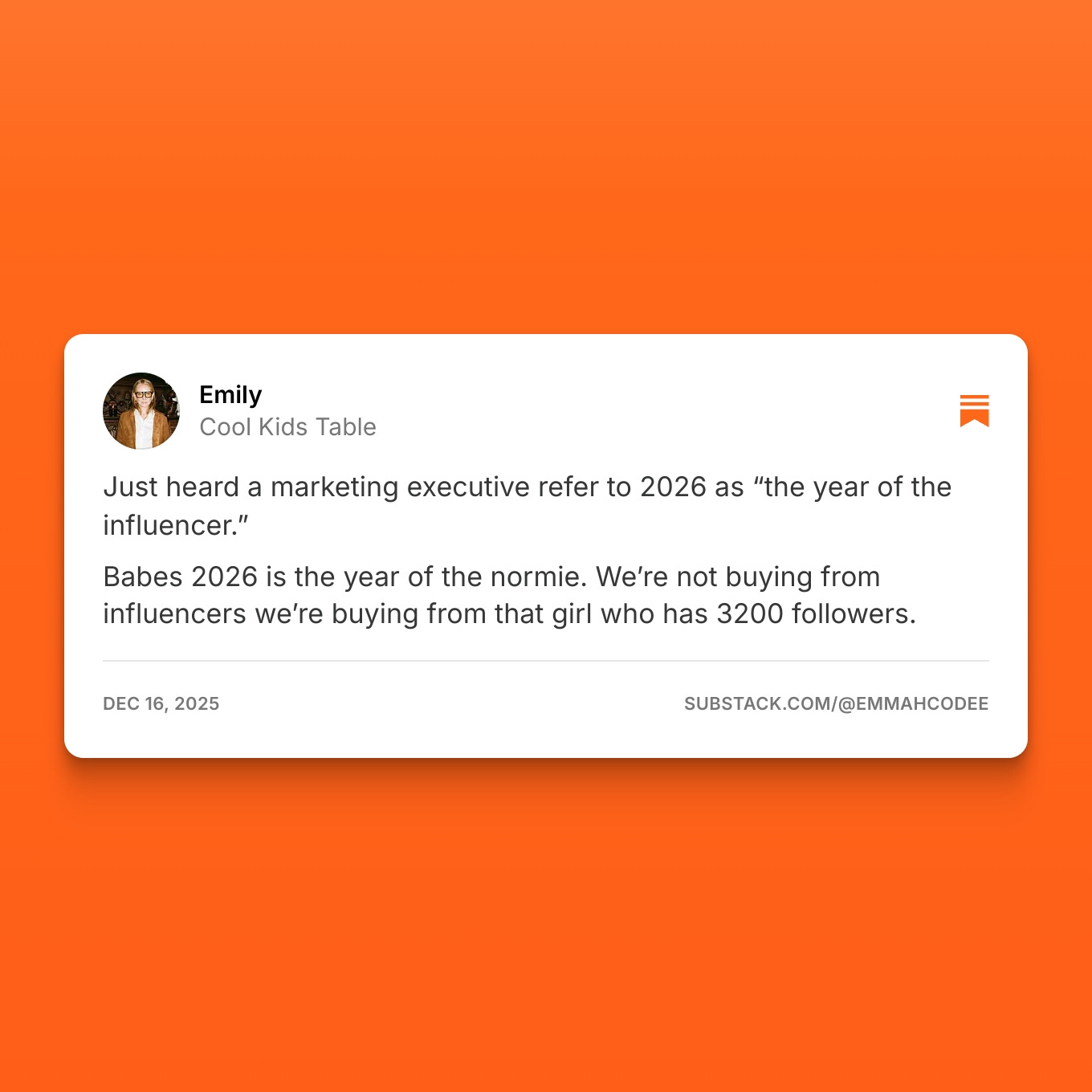
Storytelling in 2026 is no longer about performing for algorithms. According to Emily of Cool Kids Table, 2026 marks the “Year of the Normie,” where influence becomes quieter, smaller, and harder to fake. The once‑dominant “influencer economy” is giving way to creators with day jobs and deep niche passions - people who market with a “buy this or don’t, whatever” authenticity.
As cultural power shifts into private spaces like DMs, group chats, and community circles, the mechanics of audience connection are breaking old rules.
Motto calls this the age of “authenticity fatigue,” where audiences crave credible, values‑driven brands over highly performative ones. The implication is profound: as performance marketing loses its dominance, credibility beats oversharing, and brand equity becomes the ultimate form of trust capital.
#3 Brand as an “Operating System”
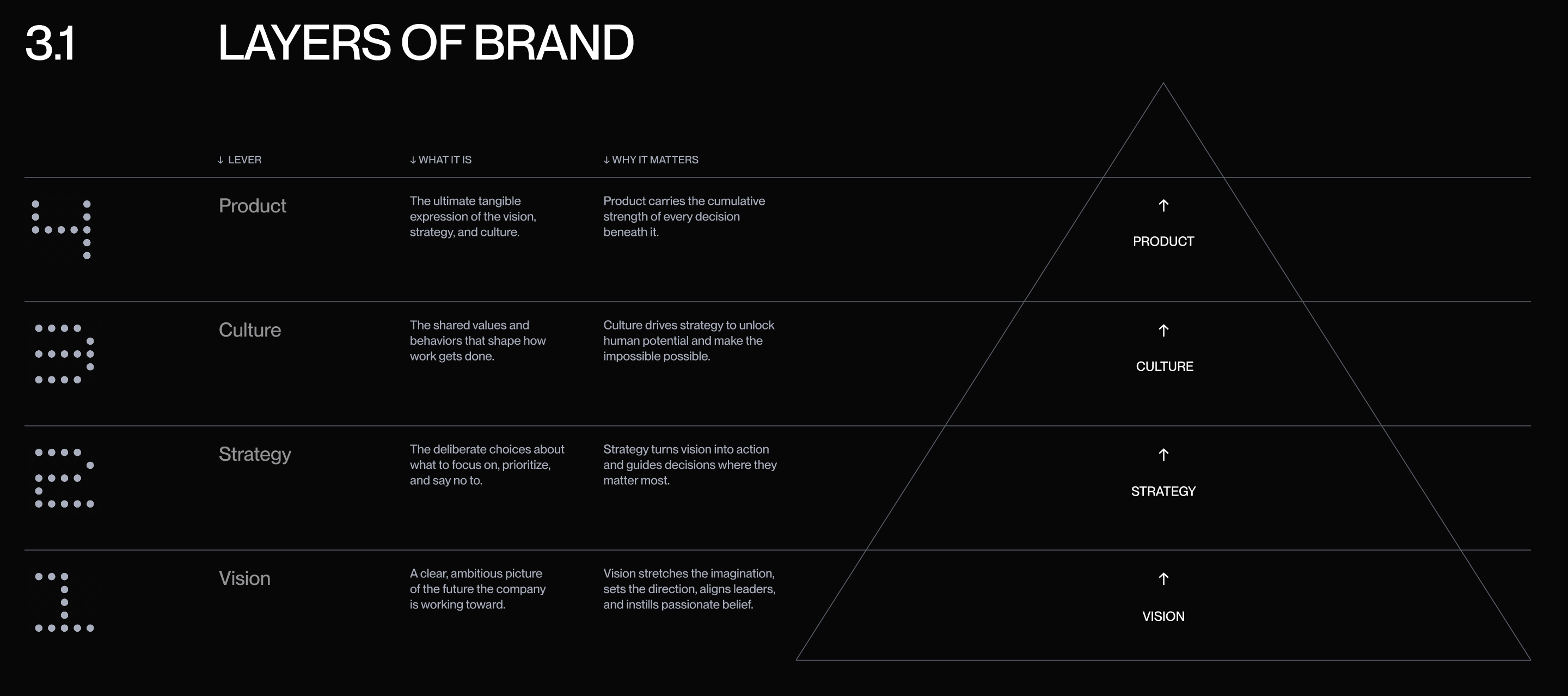
The modern brand has evolved beyond visual identity or voice, it operates as what Motto describes as a “living brand OS.” In this model, every element, vision, strategy, product, and culture, is interconnected to express a unified worldview.
According to Motto, “alignment is the new speed.” Companies like Stripe and Notion exemplify this shift: their brand beliefs guide product development, pricing, and even internal rituals. This reframes branding as infrastructure, not decoration.
Marketers, in turn, are moving from creative briefs to trust briefs, designed to establish credibility within both human networks and AI‑powered ecosystems. As Lippincott’s internal AI, Brandy, suggests, the brands that thrive will be those recognised as authoritative sources by digital agents and consumers alike—ushering in an era of authority‑first marketing where reliability equals reach.
#4 Storytelling as a Bulwark for Humanity
At its core, storytelling in 2026 carries a purpose beyond selling—it acts as what Obi Okolo of BitterSweet Creative calls a “bulwark against unchecked innovation.” As automation scales, it awakens a deeper desire for human intimacy and imperfection.
Motto notes that automation doesn’t kill creativity; it amplifies the need for micro‑moment authenticity, those spontaneous, unfiltered expressions that AI cannot mimic. Personal stories from employees, unpolished founder notes, and small acts of transparency now hold more power than high‑production ad campaigns.
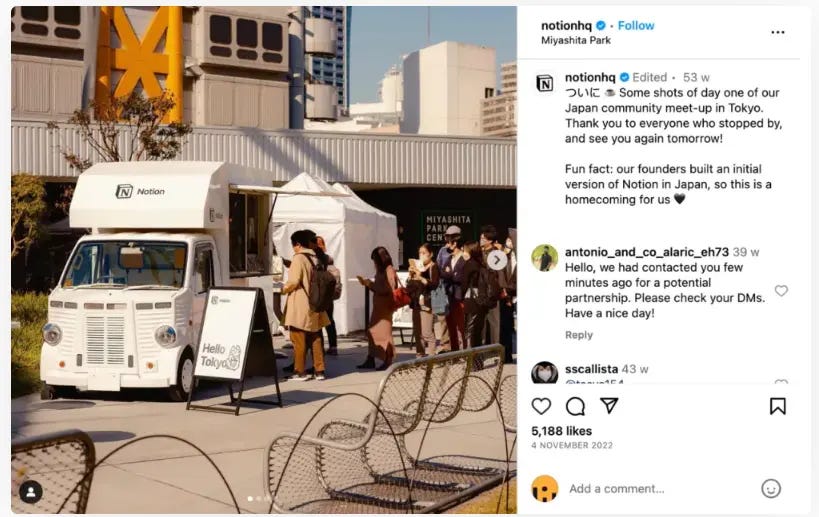
BitterSweet Creative draws a useful analogy here: for decades, marketing resembled a car‑centric city, optimising for speed and efficiency at the expense of connection. By 2026, we’ve returned to a “walkable city” model of storytelling—designing digital and physical spaces that prioritise interaction, community, and curiosity. Lippincott sees this embodied in the rise of collectible ephemera—physical objects (like Starbucks’ nostalgic “bearista” toy) that re‑enchant consumers by reconnecting to tactile delight.
Even the corporate office is being reimagined as an engine of human energy and narrative, rather than a productivity factory, a potent symbol of how brand is once again in service of humanity.
If you’re in a Marketer in the arena, I’m sure you noticed that the work that feels most alive right now is slower, more crafted, and more principled. If the last decade was about speed, this next one, for me, is about standards: what I’m willing to put into the world, who I’m building for, and which stories are worth telling even when there’s no obvious performance “win” attached.
Sources:
The 12 brand, marketing and experience trends set to define 2026.
The Year of the Normie
Brave New Frictionless World

